
CONTACT US
East side of 7th Floor, No. 3663, North
Zhongshan Road, Shanghai, China, 200062
Tel: +86 21 6223 2322
www.smile.ecnu.edu.cn
On the morning of 18 September 2026, a Work Exchange Meeting between the Shanghai Municipal Institute for Lifelong Education (SMILE) and a visiting international delegation was successfully held at the Institute. Professor Li Jiacheng, Executive Vice President of the Institute, led the SMILE research team in receiving delegates from Europe, Africa, and North America, together with officials from the Shanghai Municipal Foreign Affairs Office.The meeting was chaired by Zou Wen, Director of the Administration Department of the Institute.Structured around three sessions, mutual introductions, a presentation of the Institute's work, and open interaction, the meeting focused on lifelong education, learning city development, and climate change education, and identified several concrete directions for future cooperation.
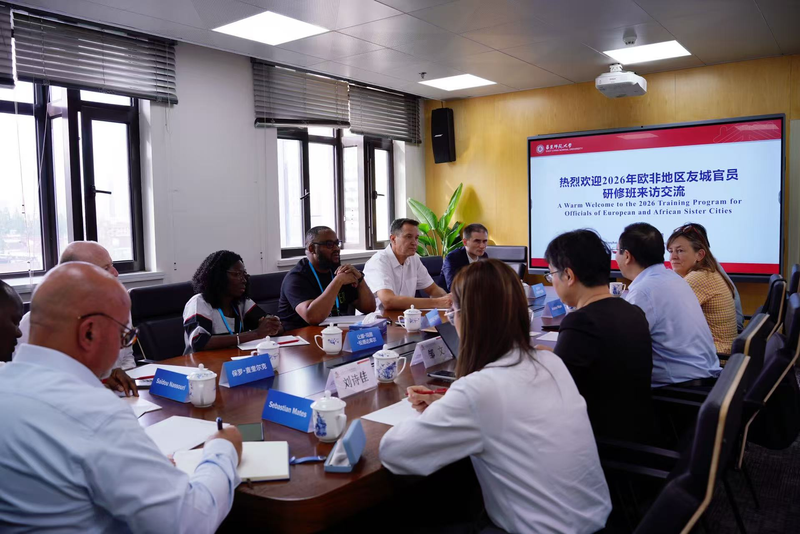
Mutual Introductions
The meeting opened with introductions from both sides. The visiting delegation was equally diverse. Ms. Zhang Yi of the European and African Affairs Division of the Shanghai Municipal Foreign Affairs Office, who had accompanied the delegation for nearly a week, assisted with liaison throughout the visit. The delegation comprises several Directors and officials from a number of national and municipal government departments, including representatives from Cork City (Ireland), Poland, Spain, Slovenia, Burkina Faso, Romania, and South Africa.
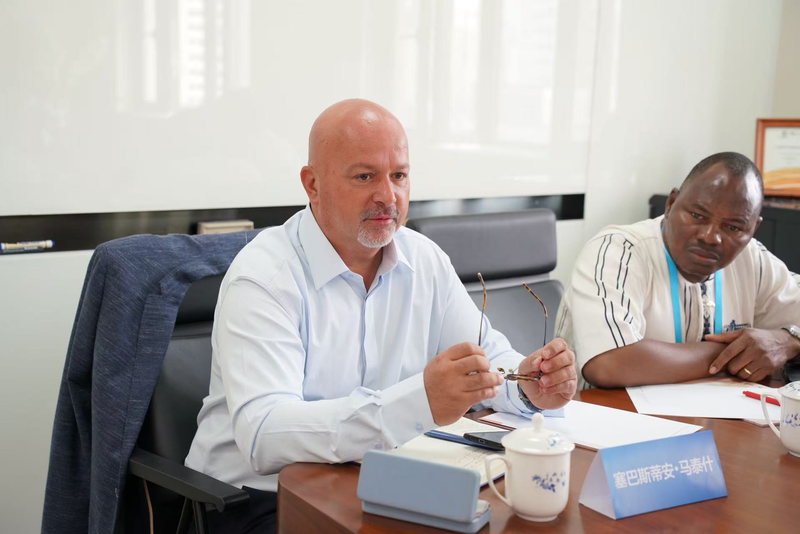
Institutional Presentation: A Decade of Building a Learning Society in Shanghai
Professor Li Jiacheng then presented the Institute's mandate, research architecture. Turning to international cooperation, Professor Li reported that the Institute has established close working relations with counterparts in Shanghai's sister cities, including Hamburg, Cork (Ireland), Thailand, and convenes monthly online meetings with its Hamburg partners. In recent years, the Institute has received delegations from Thailand, the Republic of Korea, Germany and other countries, and three months ago signed a Memorandum of Understanding with Thailand's Equitable Education Fund (EEF) and the University of Phayao. The Institute convenes two international conferences annually, on climate change education and on lifelong learning; it organised a session at COP28 in 2023 and hosted China's first national conference on climate change education. Two monographs on climate change education have been published, with two further volumes scheduled for release in the near future.
Professor Li also outlined the Institute's forthcoming arrangements. Next week the Institute will convene the 7th National Conference on Climate Change Education in Hangzhou, on the theme of green communities; next month it will receive a visiting delegation from Chicago and host a national conference on the role of universities in urban development. He expressed the hope that delegates would offer comments and suggestions on the Institute's development and on cooperation among learning cities worldwide.
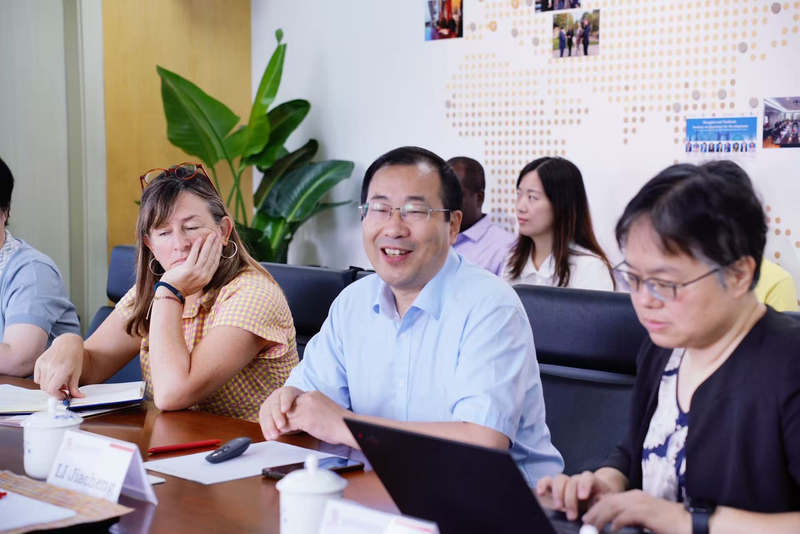
Open Interaction
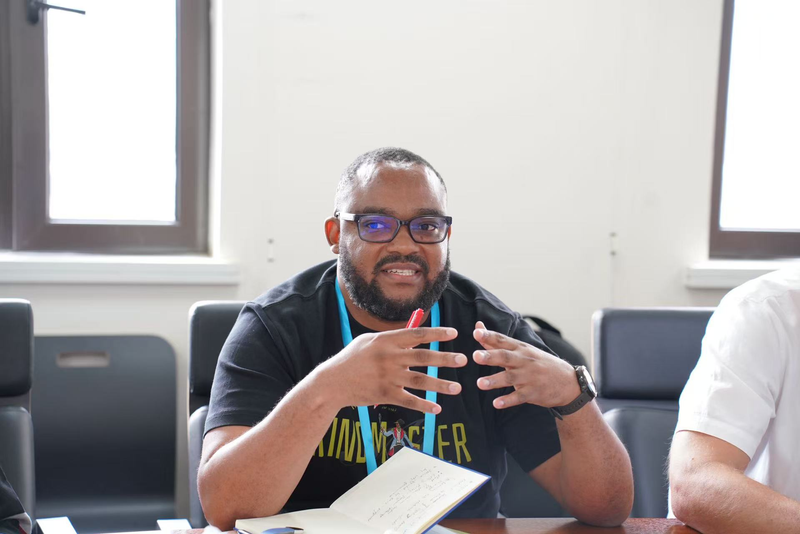
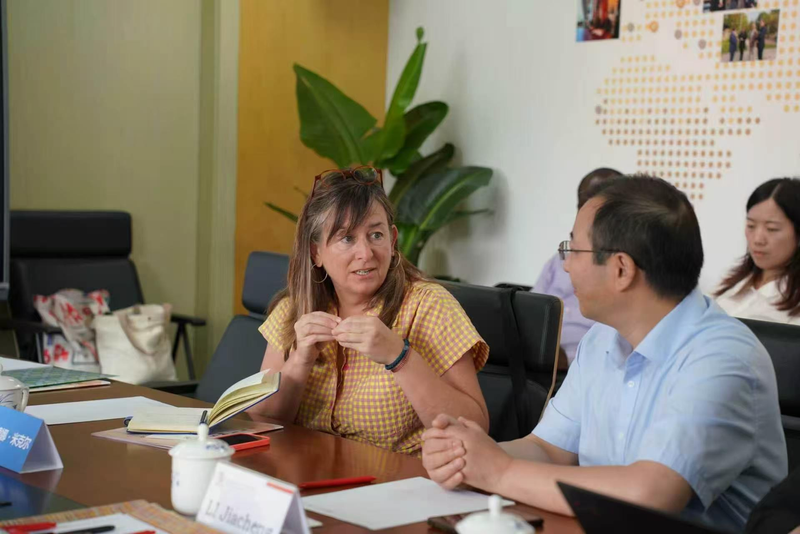
The open interaction session, which followed, centred on strengthening long-standing inter-city cooperation. The representative from Ljubljana indicated that he would share the Institute's work with the Chinese Embassy in Slovenia and connect relevant municipal departments in order to explore future areas of collaboration. The representative from South Africa expressed particular interest in the municipal–university partnership mechanism through which Shanghai advances its climate change agenda, and undertook to follow up with colleagues at home. Other delegates voiced their recognition of the Institute's contribution to climate change education and agreed to forward its contact information to their respective education teams. Proposals raised during the discussion spanned climate change education, city–university partnerships, student exchange, and the transformation of public space for educational purposes.
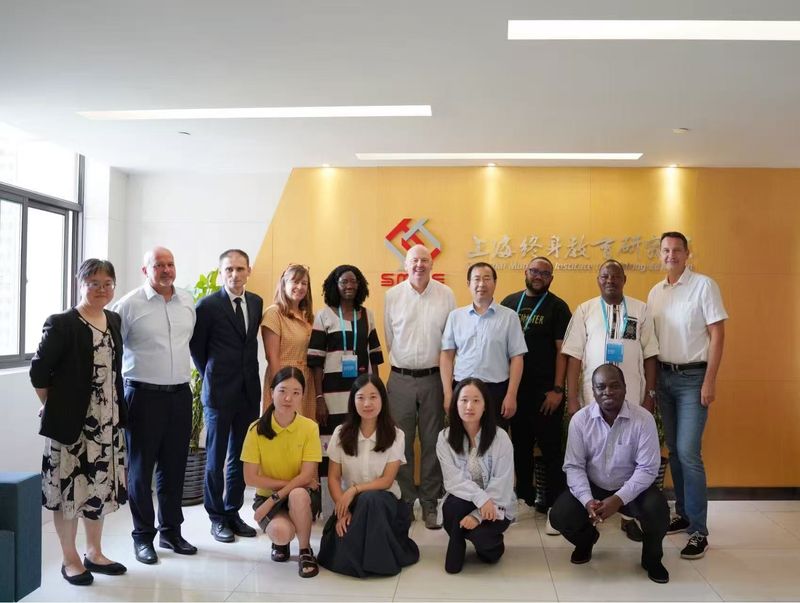
In closing, Professor Li Jiacheng extended his sincere appreciation to all international guests, observing that the meeting marked not the conclusion of a visit but the beginning of a lasting friendship and of substantive cooperation. The meeting concluded with a group photograph of all participants. The Institute will maintain contact with the visiting institutions and translate the cooperation intentions expressed at the meeting into concrete programs of joint research, exchange and practice.

East side of 7th Floor, No. 3663, North
Zhongshan Road, Shanghai, China, 200062
Tel: +86 21 6223 2322
www.smile.ecnu.edu.cn
版权所有:上海终身教育研究院